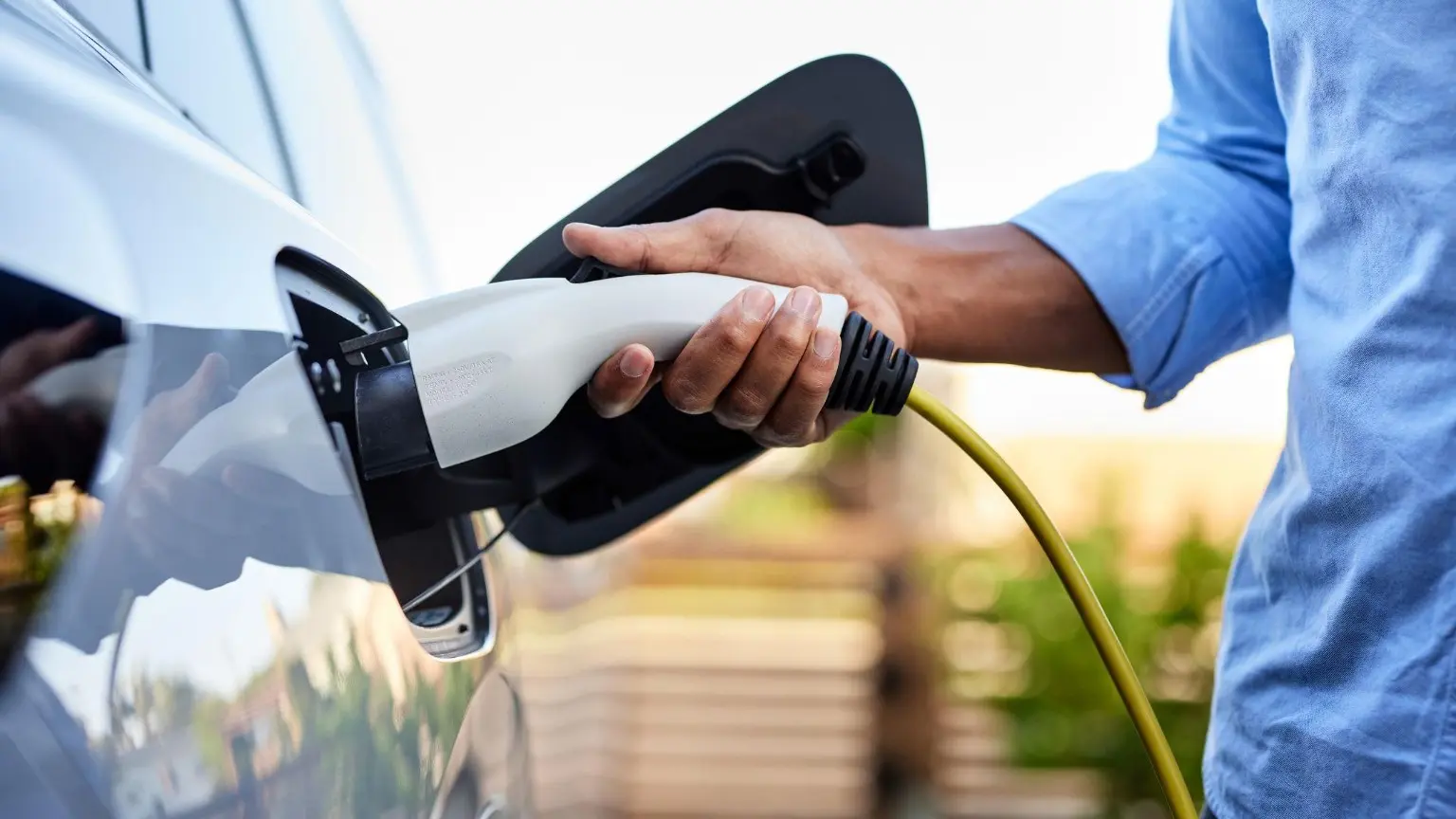
Safe charging at home
A charger must not be treated as simply adding another socket. The electrical panel, supply, earthing, available power, cable route and equipment protection must all be assessed.
Site assessment
Vehicle, desired charging power, distance, source panel and cable route.
Design
Cable sizing, circuit breaker, residual current device (RCD), surge protection and a separate enclosure where needed.
Dynamic load management
Total consumption is measured and charging power is adjusted automatically to use only the power available at each moment.
Installation and checks
Installation, functional testing and an explanation for the user.
Solutions for different requirements
- Single-phase EV chargers (wallboxes) up to 7.4 kW;
- Three-phase EV chargers (wallboxes) up to 22 kW;
- Charging in homes, garages and private parking areas;
- Dynamic load management;
- Dedicated circuit and protection panel;
- Pre-installation for a future electric vehicle.
EV charging when your power limit is low
The system monitors household consumption in real time. It increases charging when demand is low and temporarily reduces it when high-power appliances are operating, helping prevent the main breaker from tripping.
This often allows safe charging with a lower power limit on your electricity contract, without reserving all available power for the wallbox or immediately increasing the power limit on your electricity contract.
What is checked
The power limit on your electricity contract, the installation’s maximum permitted supply capacity, conductor size, voltage drop, RCD type, DC leakage detection, surge protection and protective-conductor continuity.
The installation is carried out by a electrical installation technician registered with DGEG. We issue and provide the relevant technician’s declaration (termo de responsabilidade) when the work is completed.
Service area
Portimão, Alvor, Lagos, Lagoa, Silves, Albufeira and nearby areas, following an assessment of the site.